Key Takeaway
By reading this guide, you will learn:
- The main differences between attic insulation vs wall insulation and how each works in your home.
- The types, benefits, and drawbacks of attic and wall insulation materials.
- How to compare costs, energy savings, and comfort improvements side by side.
- When to prioritize the attic, the walls, or both — depending on your climate, budget, and home condition.
- Why proper installation, air sealing, and the right R-value are key for long-term performance.
- How doing attic and wall insulation together can maximize comfort, efficiency, and property value.
This way, you can make a confident decision on the best insulation plan for your home
Attic Vs. Wall Insulation
Insulation is an important element of home construction and maintenance that helps to regulate the temperature inside your home and reduce energy costs. Different types of insulation can be used in different parts of your home, including the attic and walls.
If you are considering insulation installation for your home, understanding the difference between attic insulation and wall insulation can help you decide which type best suits your home. This blog will explore the various attic and wall insulation types and how to choose the right one.
ATTIC INSULATION
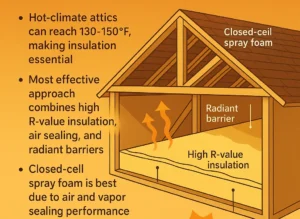
Attic insulation is the material that fills the area between the attic floor and the roof. It’s commonly constructed of fiberglass, cellulose, or foam and is used to keep the attic area warm in the winter and cool in the summer.
ATTIC INSULATION: TYPES, BENEFITS, AND DRAWBACKS
The following are some of the many options for attic insulation:
- Loose-Fill: This type is made of small fibers blown into the attic space using special equipment. Loose-fill insulation is easy to install and can be added to existing insulation, but it is prone to settling over time and may require additional top-ups.
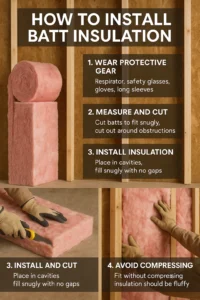
- Batt: This type of insulation is a pre-cut, pre-sized material placed between the attic floor joists. Batt insulation is easy to install but can be difficult to fit between odd-shaped spaces or around obstacles
- Sprayed Foam: This insulation is a liquid sprayed onto the attic floor and expands to fill the space. Sprayed foam insulation is the most effective at sealing gaps and cracks, but it is the most expensive option and requires professional installation.
WALL INSULATION
Wall insulation is the material used to insulate the space within the walls of your home to slow down the transfer of heat between indoors and outdoors. It helps keep warm air inside during winter and blocks outdoor heat during summer, making your living spaces more comfortable year-round. Wall insulation can also reduce drafts, cold spots, and outside noise. Depending on your home’s construction, wall insulation may be installed in cavities between studs, applied to the inside of walls, or added to the exterior during renovations. With the right type and proper installation, wall insulation improves energy efficiency, lowers utility bills, and adds long-term value to your property.
WALL INSULATION: TYPES, BENEFITS, AND DRAWBACKS
There are several types of wall insulation to choose from, including:
- Fiberglass: This is the most common type of wall insulation, made of small fibers that are either blown into the wall cavity or placed between the wall studs. Fiberglass insulation is the least expensive option, but it is prone to settling over time and may require additional top-ups.
- Cellulose: This insulation is made of recycled paper and is typically blown into the wall cavity using special equipment. Cellulose insulation is more expensive than fiberglass but more effective at sealing gaps and cracks.
- Foam: This insulation is a liquid sprayed into the wall cavity and expands to fill the space. Foam insulation is the most expensive option, but it is the most effective at sealing gaps and cracks and providing a continuous layer of insulation.
Attic insulation and wall insulation are both important for keeping your home comfortable and energy efficient. Several considerations—such as the local weather, the dimensions of the room you’ll be insulating, and your budget—will determine the sort of insulation you ultimately decide to use.

Attic vs Wall Insulation – Side-by-Side Comparison
When deciding between attic and wall insulation, it helps to see how they differ in cost, energy savings, and comfort. The table below gives a clear side-by-side comparison so you can quickly understand which option may bring the most value to your home.
| Feature | Attic Insulation | Wall Insulation |
| Heat loss/gain contribution (how much each typically contributes to overall energy loss) | E.g., Attics often are a major source of heat loss (warm air rises) | Walls are significant, especially if poorly insulated or older construction |
| Cost of installation (materials + labour) | Often cheaper per area, easier access | More complex, labour-intensive, more disruptive |
| Ease of installation & retrofit | Easier in many cases; less disruption | Harder in retrofits; may involve removing drywall/siding etc. |
| Energy savings & payback period | Faster payback in many situations, especially in cold climates | Can be substantial but often longer payback due to higher cost & complexity |
| Comfort impact (drafts, cold/hot spots) | Attic insulation improves ceiling/upper levels, reduces temperature swings | Wall insulation helps even out overall wall surfaces, reduces cold walls/drafts, and improves comfort in living spaces |
| Health & moisture risks | Attic issues: overheating if ventilation is poor; moisture from the roof; ice dams in cold climates | Wall issues: potential for condensation, mold; more risk if exterior finishing is not appropriate; need for a vapor barrier or control layer |
| Sound / acoustic insulation | Generally, attics less less-used spaces, less impact | Wall insulation can significantly reduce noise transmission inside the house / from outside |
When to Prioritize Upgrading Attic vs Walls
Many homeowners ask: “Should I insulate my attic or my walls first?” The answer depends on what signs you see in your home, your climate, and even local building codes.
“Our advice is simple – the attic often gives faster savings, but upgrading both over time brings the best comfort and efficiency.” — Pure Eco Inc Insulation Specialist
If your attic insulation is weak, you may notice high energy bills, very hot rooms on the top floor during summer, or ice dams forming on the roof in winter. Old insulation that looks thin, flat, or even wet is another clear sign it needs replacement. In these cases, starting with the attic usually brings the quickest savings and comfort improvements.
If your walls are poorly insulated, you may feel cold or damp walls in winter, drafts near outlets or windows, or uneven room temperatures across the house. An energy audit may also show that a large amount of heat is escaping through the walls. When this happens, wall insulation should be the priority because it will make living spaces much more comfortable.
Climate also matters. In colder areas, insulating the attic first often makes the biggest difference, since heat naturally rises and escapes through the roof. In hot and humid regions, however, wall insulation may be more important because it stops outside heat and moisture from entering. For homes in mild climates, the best choice is often to improve both attic and wall insulation over time.
Finally, remember to check local rules and energy programs. Building codes may require a certain R-value for both attic and walls. In many places, you can also receive rebates or tax credits for upgrading insulation, which helps reduce the overall cost.
Cost & Return on Investment (ROI)
The cost of insulation depends on which part of the home you are upgrading. In most cases, attic insulation vs wall insulation shows a clear price difference. Attic insulation is usually cheaper to install because the space is easier to access. Wall insulation, on the other hand, can be more expensive, especially in older homes, since workers may need to remove drywall or siding to reach the cavities. Both new construction and retrofit projects will have different costs for materials and labor.
No matter which option you choose, adding insulation is an investment that pays you back over time. By reducing heat loss in winter and keeping cool air inside in summer, you can lower your monthly energy bills. In colder climates, upgrading attic insulation often brings faster savings, while in hot climates, improving wall insulation can help keep living areas cooler. Depending on your home size, energy rates, and climate zone, the payback period may range from just a few years to longer.
In many areas, there are rebates, incentives, or tax credits for upgrading both attic and wall insulation. These programs can cut upfront costs and improve the overall return on investment, making the choice even more attractive for homeowners.
Installation & Best Practices for Attic and Wall Insulation
When comparing attic vs wall insulation, good installation is just as important as the material itself. For both areas, the first step is proper air sealing. Small gaps around pipes, outlets, and windows let air escape, reducing the value of new insulation, so they should be closed before work begins.
Moisture control is another key factor. In the attic, proper ventilation keeps insulation dry and protects the roof from mold and damage. In walls, using the correct vapor barrier prevents condensation and moisture buildup.
Choosing the right R-value is essential. Homes in cold regions need higher R-values in the attic to stop rising heat, while homes in hot or humid areas may benefit more from wall insulation that blocks outdoor heat.
Finally, think about materials. Fiberglass, cellulose, spray foam, and rigid foam boards are all options, each with different costs and benefits. Eco-friendly products like recycled cellulose are popular, while spray foam offers excellent air sealing but comes at a higher price. Selecting the right material for your climate and budget ensures your attic and wall insulation will last and perform well for years.
Attic and Wall Insulation Together: Is It Better to Do Both?
Looking at your home as a whole system is important. Heat can escape through the roof, the walls, or even small gaps around windows and doors. If you only improve one part, the other weak areas can still waste energy. This is why upgrading attic and wall insulation together often gives the best results. The home stays warm in winter, cool in summer, and the temperature feels more even from room to room.
When planning both upgrades, think about timing and cost. Some homeowners do the attic first because it is faster, then return later to finish the walls. Others prefer to combine both projects at once to save on labor and avoid multiple disruptions. A contractor can help you decide what makes sense based on your budget and schedule.
It is also useful to understand that insulation has a “sweet spot.” Adding more and more material does not always mean bigger savings. After your attic and walls reach the recommended level for your climate, extra layers bring only small benefits. The goal is not to fill every space with insulation, but to create a balanced system that controls heat, air, and moisture in the right way.
If you’re unsure which type of insulation is best for your home, you should consider hiring insulation services to help you make the best decision.
If that’s the case, we’re here to help! We are a family-run company that takes pride in installing high-quality insulation to ensure your house runs as efficiently as possible.
We can assist you with attic insulation, wall insulation, ceiling insulation services, and more. Contact us today to request a free quote.
FAQ
What is the main difference between attic insulation and wall insulation?
Attic insulation is placed in the roof space to stop heat from escaping upward, while wall insulation is installed in the walls to block heat transfer between indoors and outdoors. Both improve comfort and energy efficiency, but work in different parts of the home.
Which saves more money: attic insulation or wall insulation?
Attic insulation usually gives faster savings because heat rises and escapes through the roof. Wall insulation can also save money, but often has a longer payback period since it costs more to install. The best choice depends on your climate and the current condition of your home.
Should I insulate my attic or walls first?
In most cold climates, it’s best to start with the attic because it is cheaper and provides quicker results. If you live in a hot or humid area, upgrading wall insulation may bring more comfort by keeping outside heat and moisture out. In mild areas, improving both over time is the best option.
Can I do attic and wall insulation at the same time?
Yes. Many homeowners choose to do both projects together. This can save money on labor and reduce disruption in the home. If your budget allows, insulating both attic and walls at once gives the strongest energy savings and comfort.
How much does attic vs wall insulation cost?
Attic insulation is usually less expensive because it is easy to access. Wall insulation often costs more, especially in older homes, because workers may need to remove siding or drywall. The exact price depends on the material, labor, and whether it is new construction or retrofit.
What types of insulation are best for attics and walls?
For attics, popular options include fiberglass batts, blown-in cellulose, and spray foam. For walls, homeowners often choose fiberglass, cellulose, or foam. The best choice depends on your budget, climate, and whether you need better air sealing or eco-friendly materials.
Does wall insulation help with noise?
Yes. Wall insulation adds an extra layer that blocks sound from outside and reduces noise between rooms. Attic insulation mainly controls temperature and usually has less effect on sound.
Are there rebates or tax credits for attic and wall insulation?
In many areas, yes. Local governments and utility companies often give rebates, tax credits, or other financial incentives to encourage energy efficiency. It’s a good idea to check local programs before starting your project.